Riddle Political News Week
A Prime Minister Without His Apparatus
Andrey Pertsev sums up the political week (October 19−23)
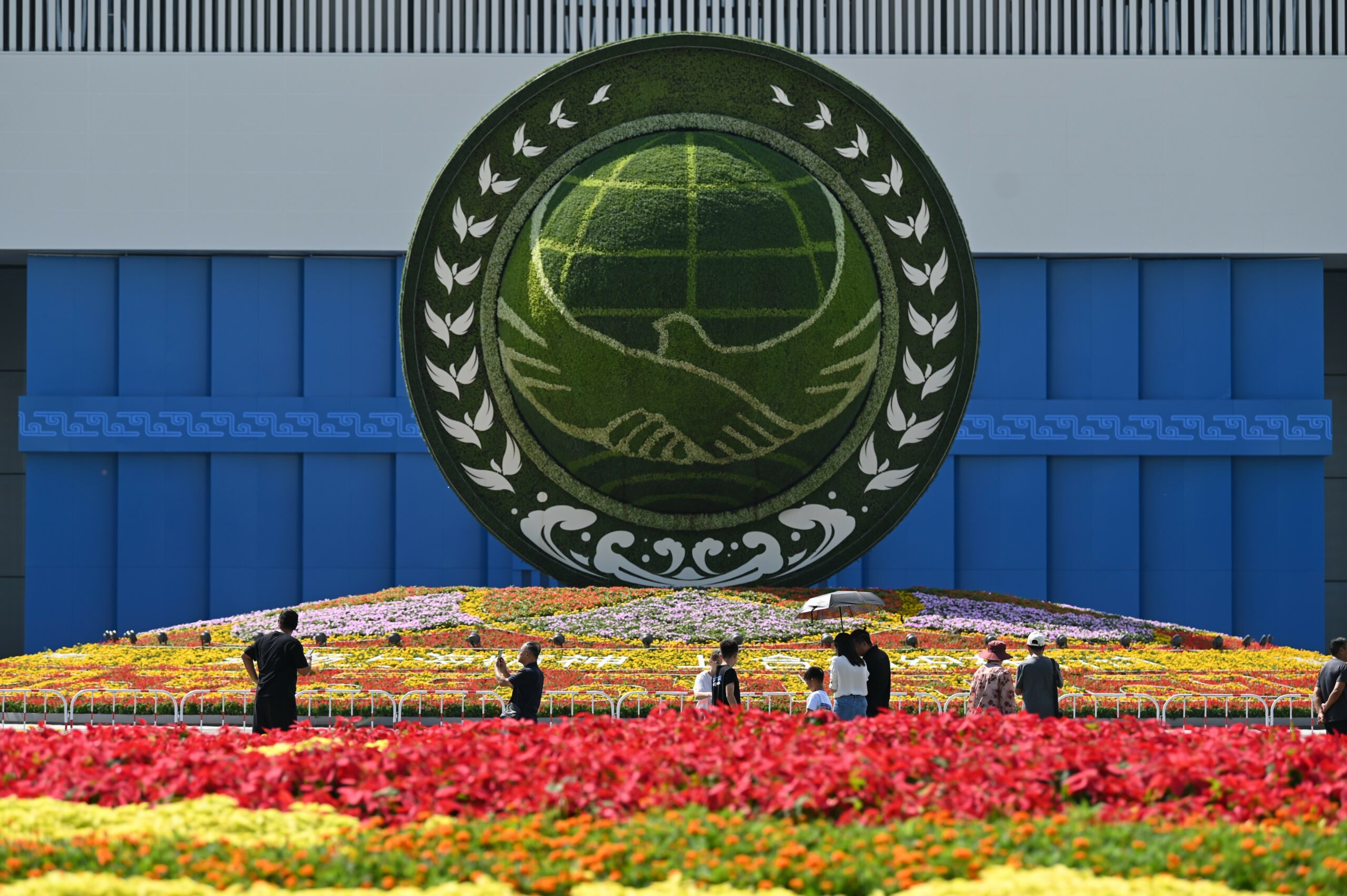
Anton Barbashin on how the Shanghai Cooperation Organization (SCO), a useful but secondary Eurasian forum for Moscow, became an important platform
Ksenia Smolyakova on how the Russia authorities got the result they wanted in the State Duma election
Denis Shedov, Daniil Beilinson, and Eilish Hart on how the Kremlin used the State Duma election as a disciplinary tool
Dmytro Voronenko on how official Russian numbers are "rebuilt"
Andrey Pertsev on whether it makes sense to listen to insider information from Russia’s elite
Mihaela Vata on why Russia’s new brand rankings are easier to trust as a map of corporate prominence than as prices
Denis Cenusa on how Moscow’s disinformation and energy leverage aim to keep Vučić in power and Serbia from becoming ‘another Hungary'
Alexey Uvarov on how the EU’s sanctions against Russian businessmen work
Anton Barbashin on how the Shanghai Cooperation Organization (SCO), a useful but secondary Eurasian forum for Moscow, became an important platform
Editorial director at Riddle Russia, political analyst
Political analyst, associated expert at Eastern Europe Studies Centre (Lithuania)
Political scientist, historian. Member of the Editorial Board at Riddle Russia
Security & Intelligence Expert
Independent researcher. Publisher of incidence.world, a quantitative panel on the limits of Russian endurance in a war of attrition